
Steel Wire Connector for Cable Pulling and Line Stringing

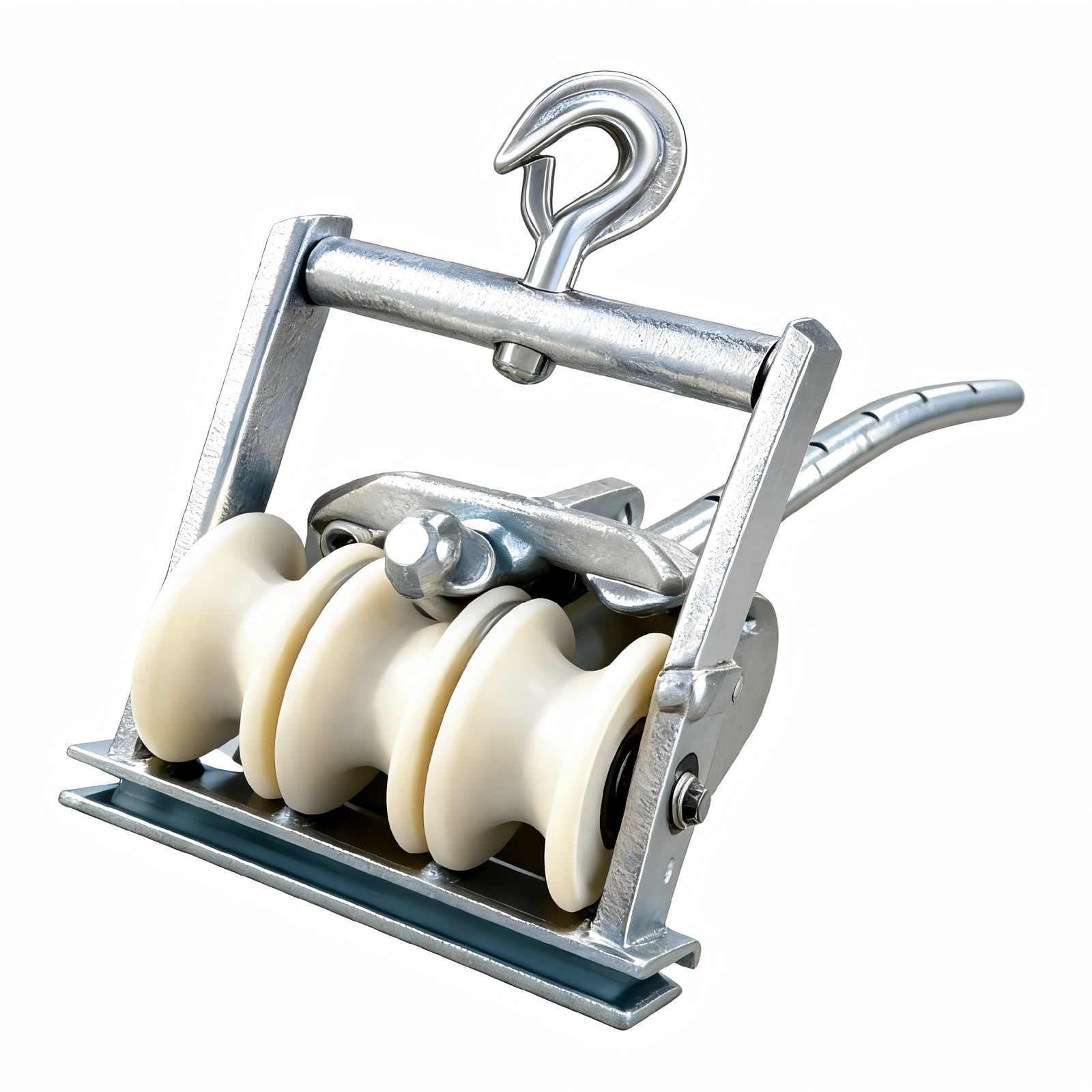
Steel Wire Connector designed for cable pulling, line stringing, and steady wire rope transfer. The rotating body helps reduce twist during movement and keeps the connection smoother in demanding field work.
As a professional manufacturer of Steel Wire Connector, we provide more cost-effective products. Whether you want to buy or become a distributor, you are welcome to contact us anytime.
Built for Controlled Line Movement
A Steel Wire Connector gives crews a practical way to join pulling sections while keeping movement steady. In cable pulling and line stringing work, the connection point often sees changing tension, direction shifts, and constant motion. A rigid link can pass that stress straight into the rope or attached hardware. This design adds rotational movement in the middle, so the connected parts can move with less twisting. That helps the line travel more naturally and keeps the working setup easier to manage from start to finish.
The body shape also makes the connector simple to pair with rope-based systems, pulling tools, and related hardware. Both ends support a clean joint, so crews can build a more organized pulling assembly. When the line moves through a long route, even small improvements at the connection point can make the job smoother. A Steel Wire Connector helps reduce unnecessary turning force and supports a more balanced pull through daily field work.
Common Use in Field Operations
This product fits many work scenes where ropes, pilot lines, or cables need a flexible link between sections. Teams often use it in overhead line work, utility installation, cable routing, and general pulling tasks. It works well when the line passes through several support points or when the pulling direction changes during the job. In those cases, the connector helps the line respond without forcing the whole system to twist together.
A Steel Wire Connector also suits jobs that require repeated movement. Crews often need a connector that handles steady motion and supports clean line travel. Because the rotating action sits in the middle of the structure, the line can move more freely while the end connections stay clear and easy to attach. That makes the working process more predictable and reduces extra handling during operation.
Why a Rotating Connection Matters
In many pulling systems, the hardest part to manage is the small joint between sections. If that point starts to twist, the whole setup can feel less stable. A Steel Wire Connector helps by allowing the line to rotate at the center instead of forcing that movement into the rope or connected tools. The effect is simple but useful. The line tracks better, the pull feels cleaner, and the operator spends less time correcting position by hand.
| Item number | Model | Rated load (kN) | Main dimension (mm) | Applicable steel stranded | |
| D | L | ||||
| 17191 | YGJ135 | 15 | 16 | 157 | GJ35 |
| 17192 | YGJ150 | 20 | 18 | 168 | GJ50 |
| 17193 | YGJ170 | 25 | 22 | 195 | GJ70 |
| 17194 | YGJ180 | 25 | 24 | 195 | GJ80 |
| 17195 | YGJ100 | 30 | 26 | 223 | GJ100 |
| 17196 | YGJ120 | 40 | 28 | 249 | GJ120 |
| 17197 | YGJ135 | 50 | 32 | 261 | GJ135 |
WebLink:
Internallinking:
Shop