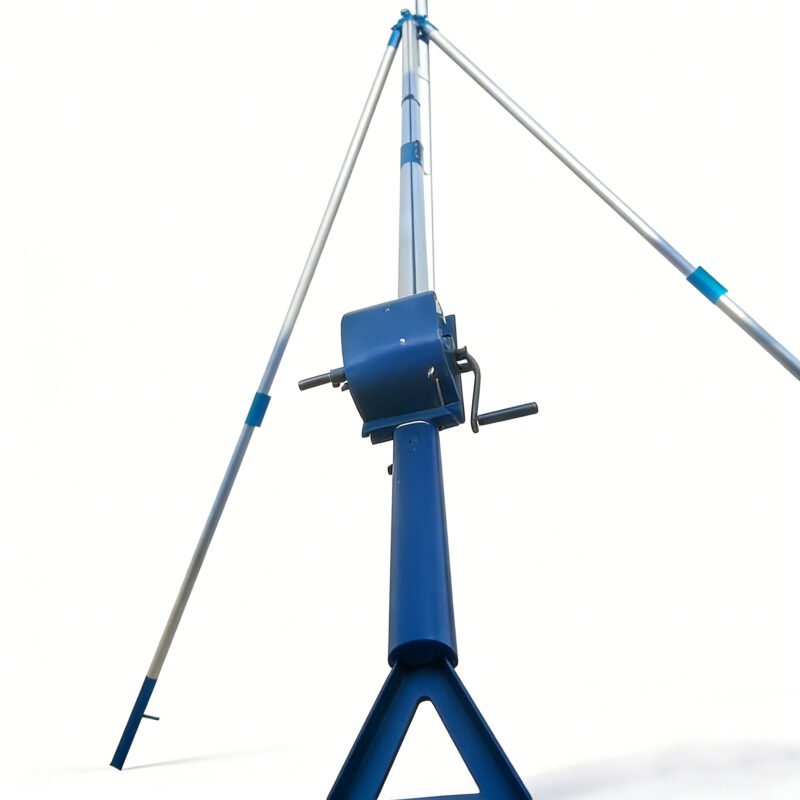
Modular Emergency Restoration System Tower for Transmission Recovery
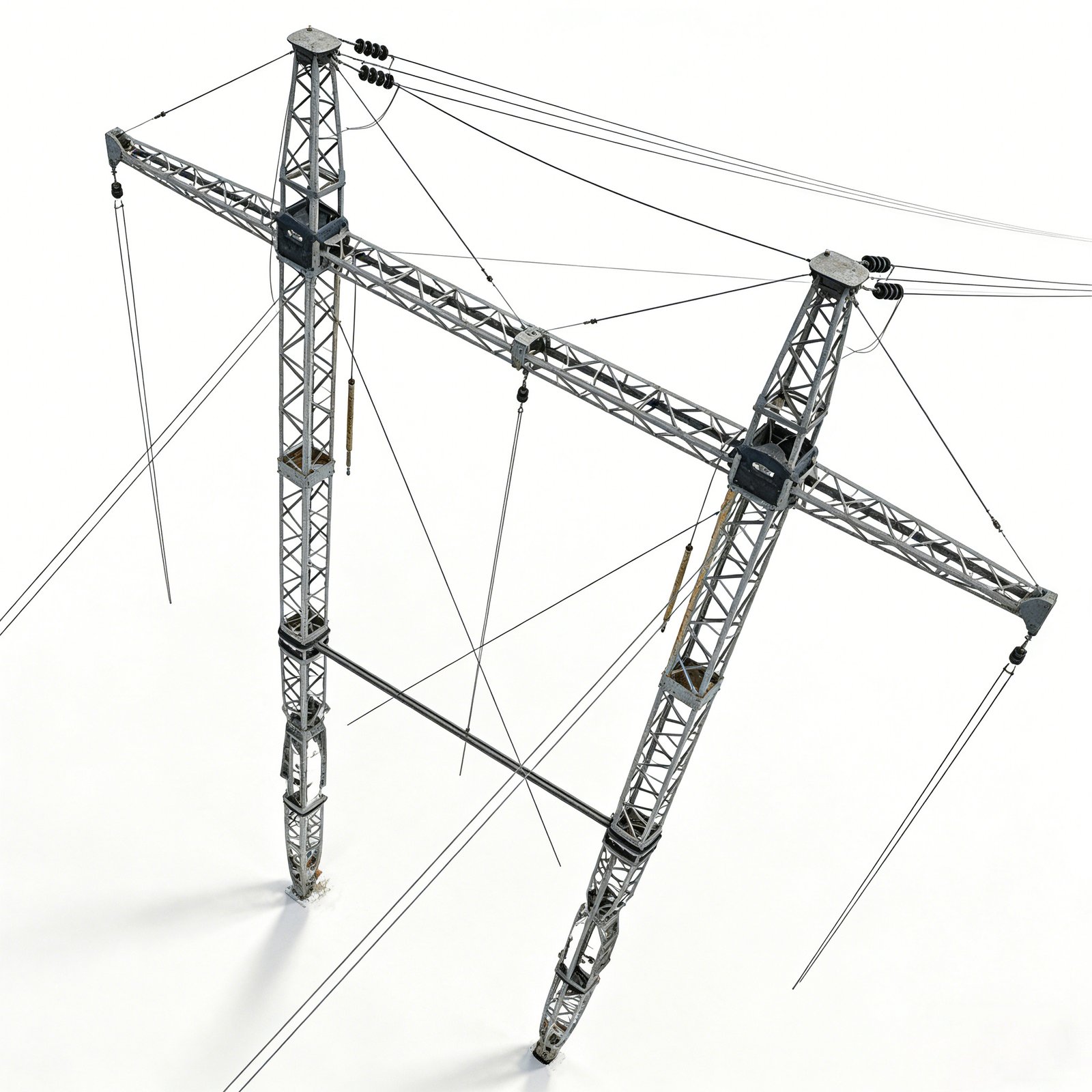
Emergency Restoration System Tower is designed as a temporary support solution for utility teams that need a more organized response after line damage or structural failure. The word system is important here. In real emergency work, success often depends not only on one structure, but on how the full recovery setup comes together in the field. This product supports that broader purpose by fitting temporary restoration plans that require coordination, modular deployment, and a clear path from site assessment to temporary line recovery.
Supports a More Structured Restoration Process
After storms, accidents, or collapse events, utility teams must make decisions quickly. They need to assess the damaged area, secure the route, plan temporary support, and move into recovery without losing time. An Emergency Restoration System Tower helps that process by fitting into a more complete field restoration workflow. It is suitable for projects where the temporary structure needs to work as part of a larger emergency support arrangement rather than as an isolated replacement item.
Modular Thinking Improves Field Efficiency
System-based temporary restoration usually depends on easier transport, clearer component planning, and smoother on-site coordination. An Emergency Restoration System Tower supports that kind of work because it aligns well with modular deployment logic. This can help crews organize assembly steps, manage site movement, and reduce confusion during urgent projects. For utilities and contractors, the result is a more predictable temporary restoration process that keeps teams focused on restoring transmission support as efficiently as possible.
Useful for Many Emergency Utility Scenarios
This product can support storm recovery, temporary rerouting, damaged tower replacement, line continuity work, and emergency bypass arrangements. It helps maintain service during the period between failure and permanent reconstruction. Because the Emergency Restoration System Tower is positioned as part of a larger recovery approach, it also suits organizations that want better preparedness and internal planning. It is not only for reaction after an incident. It is also useful for building stronger response capability before the next incident occurs.
Designed for Utility, EPC, and Contractor Use
Different users approach temporary restoration from different angles. Utilities focus on service continuity. EPC teams focus on organized execution. Contractors focus on fast site progress. An Emergency Restoration System Tower can support all three because it gives them a practical temporary structure that fits coordinated emergency work. It helps bridge the gap between damage and permanent repair while keeping restoration activity moving in a more controlled way.
A Reliable Option for Restoration Readiness
For companies that need equipment and structures ready before emergency events happen, planning matters as much as product selection. Emergency Restoration System Tower solutions help support that preparation by offering a temporary structural option that aligns with broader field recovery strategies. They help improve readiness, reduce response delays, and strengthen temporary support capability across repeated utility events. For buyers looking for a modular and organized restoration product, this is a strong fit for emergency recovery programs.
Main Technical Parameters
| Item Number | 04111 | 04112 | 04121 | 04122 | 04123 |
| Model | LTQ110S | LTQ110Me | LTQ220Me | LTQ220MeA | LTQ220MeB |
| Applicable Voltage (kV) | 110 | 110 | 220 | 220 | 220 |
| Height (m) | 15.1 | 15.5 | 18.5 | 24 | 24 |
| Section Size of Frame Girder (mm) | 450 | 400 | 400 | 500 | 500 |
| Vertical Span (m) | 280 |
350 |
650 | 450 | |
| Horizontal Span (m) | / |
300 |
500 | 400 | |
| Applicable Conductor | LGJ240 | LGJ240 | LGJ400 | LGJ400 | 2×LGJ400 |
| Distance between Conductors (m) | 4.5 | 4.5 | 6.5 | 7.5 | 8 |
| Weight (kg) | 630 | 960 | 1370 | 2220 | 2910 |
WebLink:
Internallinking:
Shop