Hydraulic Tensioner for Controlled Overhead Line Stringing
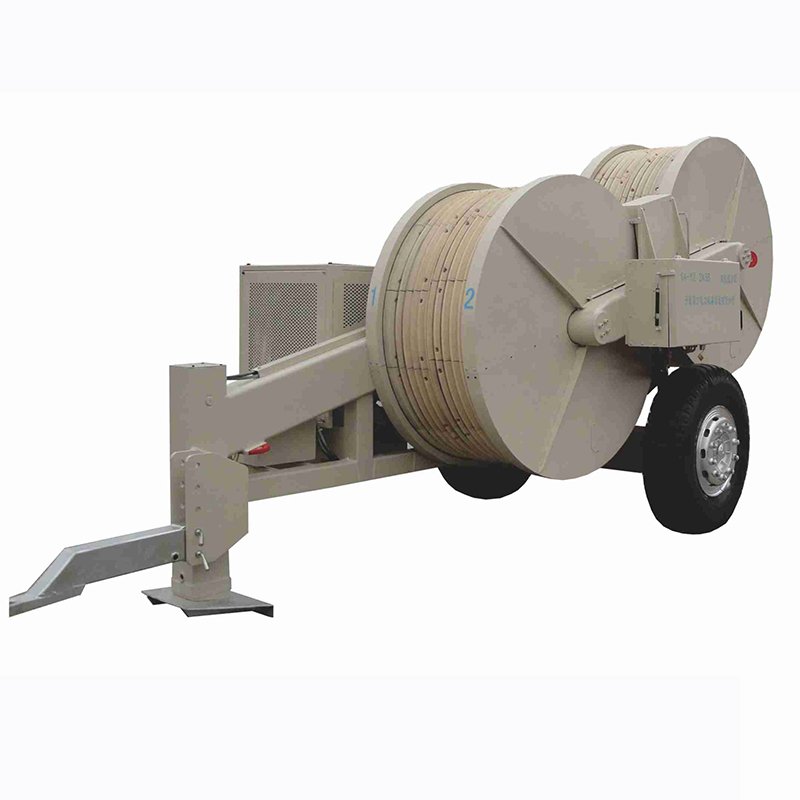
This hydraulic tensioner helps crews keep conductor and cable payout steady during overhead line stringing. It supports smoother field control, more organized installation, and a better working rhythm on utility and transmission projects. As a professional manufacturer of Hydraulic Tensioner, we provide more cost-effective products. Whether you want to buy or become a distributor, you are welcome to contact us anytime.
Controlled Tension for Safer Line Handling
A Hydraulic Tensioner helps crews manage conductor and cable movement with better control during overhead line stringing work. It keeps payout more stable and supports a smoother operating rhythm across the route. That matters when the line passes through open ground, sloped areas, road crossings, or work sections where clean handling is important. Better tension control helps reduce sudden movement and gives operators a more predictable process from setup to finish. It also helps the crew keep the line path more organized during installation and supports cleaner daily work on active construction sites.
Stable Performance in Real Jobsite Conditions
Field conditions often change as the project moves forward. Span length, terrain, and crew position can all affect the pace of the job. A good Hydraulic Tensioner helps teams respond to those changes without losing control of the stringing process. It supports smoother payout, steadier line movement, and better coordination between the machine operator and the rest of the crew. This kind of working stability helps reduce interruption and makes it easier to maintain a consistent job rhythm. For contractors that handle repeated projects, that kind of control creates real daily value.
Useful for Transmission, Distribution, and Utility Projects
This equipment suits new line construction, line rebuilding, maintenance work, and general utility installation where controlled payout is required. A Hydraulic Tensioner supports conductor handling, cable deployment, and related stringing tasks across different job conditions. It helps the crew keep work more organized and gives project teams a practical machine category that fits routine field demand. Because the application range is broad, this type of product also works well for contractors, utility service providers, distributors, and project suppliers who need dependable overhead line equipment for regular use.
Supports Better Workflow on Site
In daily work, crews value equipment that responds clearly and fits a normal operating process. A Hydraulic Tensioner supports that need by helping operators manage line movement in a more natural and controlled way. Better response helps the crew communicate more efficiently and makes it easier to keep the job moving at a steady pace. It also supports cleaner project organization from machine positioning to final shutdown. When equipment works with the crew instead of slowing the crew down, the whole project becomes easier to manage and easier to repeat on the next job.
Practical Equipment Value Without Extra Complexity
Many buyers do not want equipment that looks complicated or difficult to use. They want a machine that solves the real job problem clearly. A Hydraulic Tensioner does that by focusing on steady control, practical field use, and dependable application across common overhead line work. It gives contractors a useful machine for daily operation and gives distributors a product that is easy to present to end users. Straightforward function and real site relevance are often more important than unnecessary extra features that do not improve actual work.
A Reliable Choice for Repeated Project Demand
For companies that work on overhead line installation throughout the year, a Hydraulic Tensioner remains a dependable equipment category. It supports smoother line handling, more consistent payout, and better crew coordination across different route conditions. That combination helps crews work with more confidence and helps project managers plan jobs with a more stable process in mind.
For buyers comparing line stringing equipment, the main advantage is clear. This product supports controlled movement, cleaner handling, and practical daily use. That makes it a strong fit for companies that want reliable equipment for real project work.
Essentlal Parameters
| Model | SA-YZ2×55 Hydraulic Tensioner |
| Maximum Tension (kN) | 2×55 or 1×110 |
| Continuous Tension (kN) | 2×50 or 1×100 |
| Maximum Speed (kmvh) | 5 |
| Bullkwheel Bottom of Groove Diameter (mm) | Φ1600 |
| Number of Grooves | 2×5 |
| MMaximum Pulback (kN) | 2×50 or 1×100 |
| MMaximum Speedback (kmv’h) | 2×2.1 |
| Maxmum Diameter of Suitable Conductor (mm) | Φ42.5 |
| Engine Power / $peed (kW/rpm) | 54/2500 |
| Dimensions(mm) | 5000×2240×2730 |
| Weight (kg) | 7500 |
Maln Conflguratlons
| Engine | Beinei Deutz air cooled diesel engine |
| Main Pump/Motor | Rexroth (BO5CH) |
| Main Hydraulic Valve | Rexroth (BO5CH) |
| Reducer | RR (ltalian) |
| Radiator | AKG |
| Hydraulic Instrument | WKA |
WebLink:
Internallinking:
Shop