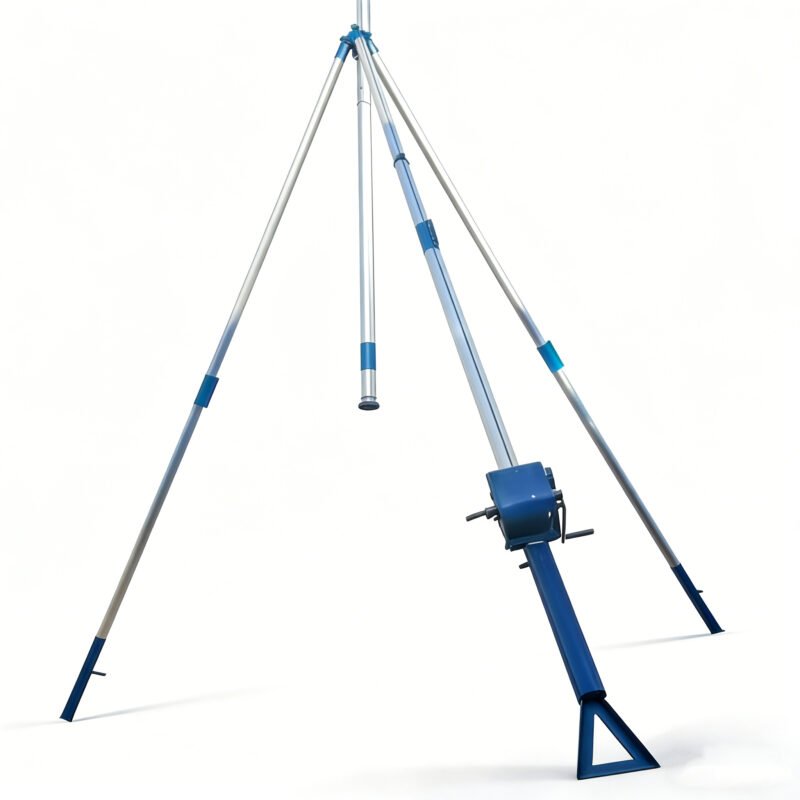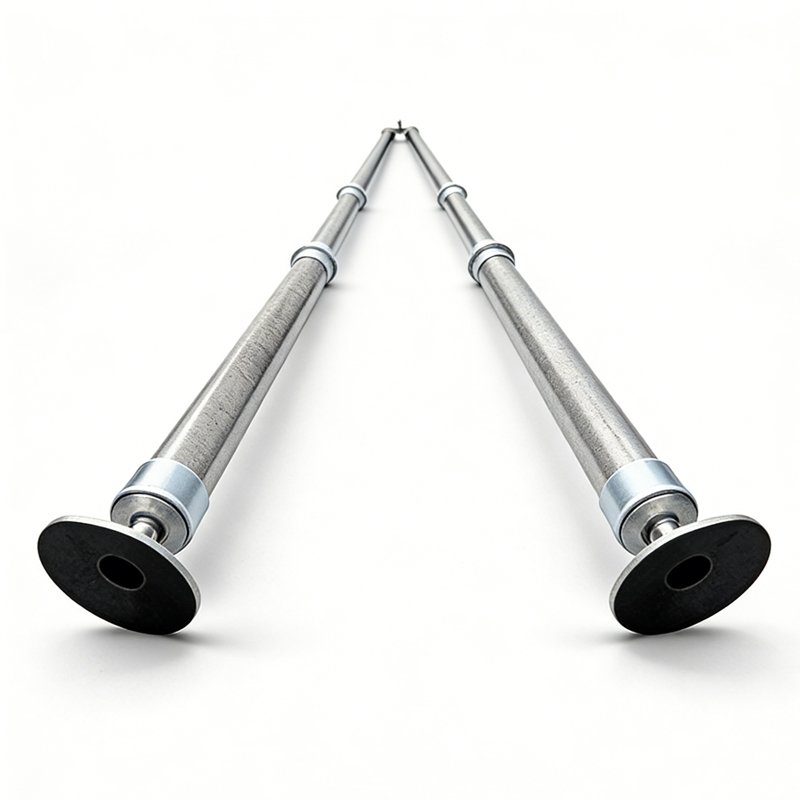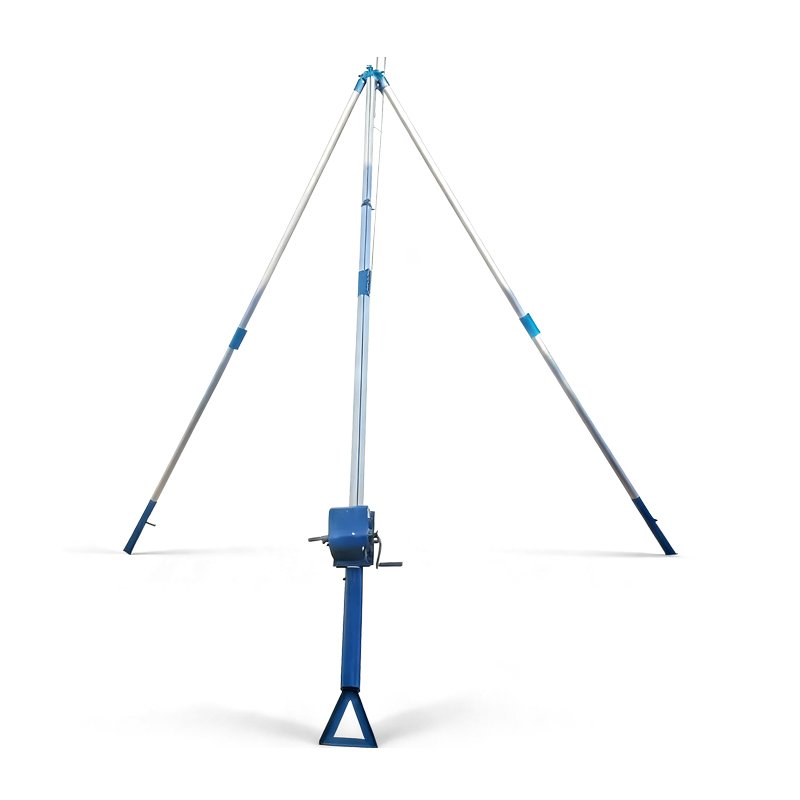

Narrow-Footprint Single-Leg Structure Emergency Restoration Tower

Single-Leg Structure Emergency Restoration Tower is aimed at temporary line support in locations where space is restricted and a more compact structural solution is needed. Some restoration sites do not allow a wider frame layout because of terrain, access limits, roadside constraints, or corridor restrictions. In those cases, a single-leg concept can offer a more focused support approach for temporary recovery work. This makes the product especially relevant for specialized restoration projects where footprint and site control are major concerns.
Designed for Narrow or Restricted Locations
A key reason buyers search for a Single-Leg Structure Emergency Restoration Tower is site limitation. Not every damaged route gives crews enough room for larger temporary support arrangements. Some projects happen in tighter corridors, on uneven slopes, beside roads, or in locations where access and positioning are heavily constrained. A more compact structural concept helps crews adapt to those conditions and continue the restoration process with a layout better suited to the site.
Useful for Targeted Recovery Tasks
This product is well suited for temporary support during local damage repair, partial route recovery, and emergency response work where a narrow structural solution makes field execution easier. A Single-Leg Structure Emergency Restoration Tower can help utilities and contractors restore support more efficiently in smaller work zones. It gives teams a practical option when the main challenge is not only the outage itself, but also the physical difficulty of carrying out restoration work in a limited space.
Supports Better Access Management in Difficult Terrain
Restoration work often becomes more complex when terrain and corridor conditions restrict movement. Steep ground, shoulder-side work areas, or confined access paths can slow down response and make larger temporary arrangements less practical. A Single-Leg Structure Emergency Restoration Tower addresses that challenge by aligning with projects that require a more compact temporary support direction. It supports more efficient planning and helps teams keep recovery efforts moving even when the site is not favorable.
Relevant for Utilities and Specialized Contractors
This keyword is useful for buyers looking for a more specific emergency support product rather than a general restoration tower page. It can attract utilities, line contractors, and specialty service teams that work in difficult field environments and need temporary support options adapted to constrained conditions. A Single-Leg Structure Emergency Restoration Tower gives those buyers a clearer page match and helps position the product as a focused solution for demanding restoration scenarios.
A Strong Fit for Specialized Temporary Support Pages
For WooCommerce product structure, this name works well when you want a more technical-looking product category without filling the description with parameters. It clearly suggests a practical use case and gives the page a defined commercial direction. Single-Leg Structure Emergency Restoration Tower is especially suitable for buyers dealing with limited work areas and challenging restoration access. It supports a more targeted search intent while keeping the product page useful, professional, and ready for utility-related inquiries.
Main Technical Parameters
| Item Number | 04111 | 04112 | 04121 | 04122 | 04123 |
| Model | LTQ110S | LTQ110Me | LTQ220Me | LTQ220MeA | LTQ220MeB |
| Applicable Voltage (kV) | 110 | 110 | 220 | 220 | 220 |
| Height (m) | 15.1 | 15.5 | 18.5 | 24 | 24 |
| Section Size of Frame Girder (mm) | 450 | 400 | 400 | 500 | 500 |
| Vertical Span (m) | 280 |
350 |
650 | 450 | |
| Horizontal Span (m) | / |
300 |
500 | 400 | |
| Applicable Conductor | LGJ240 | LGJ240 | LGJ400 | LGJ400 | 2×LGJ400 |
| Distance between Conductors (m) | 4.5 | 4.5 | 6.5 | 7.5 | 8 |
| Weight (kg) | 630 | 960 | 1370 | 2220 | 2910 |
WebLink:
Internallinking:
Shop